Stepping into a dispensary for the first time (or the first time in a while) can feel like learning a new language. At Mayflower, we believe that cannabis should feel approachable, not intimidating. That’s why we’re here to break down the vocabulary, explain what matters, and help you feel more confident with every purchase.
In this blog, we’ll give you the tools to navigate your cannabis journey with ease.
Cannabinoids: The Power Players
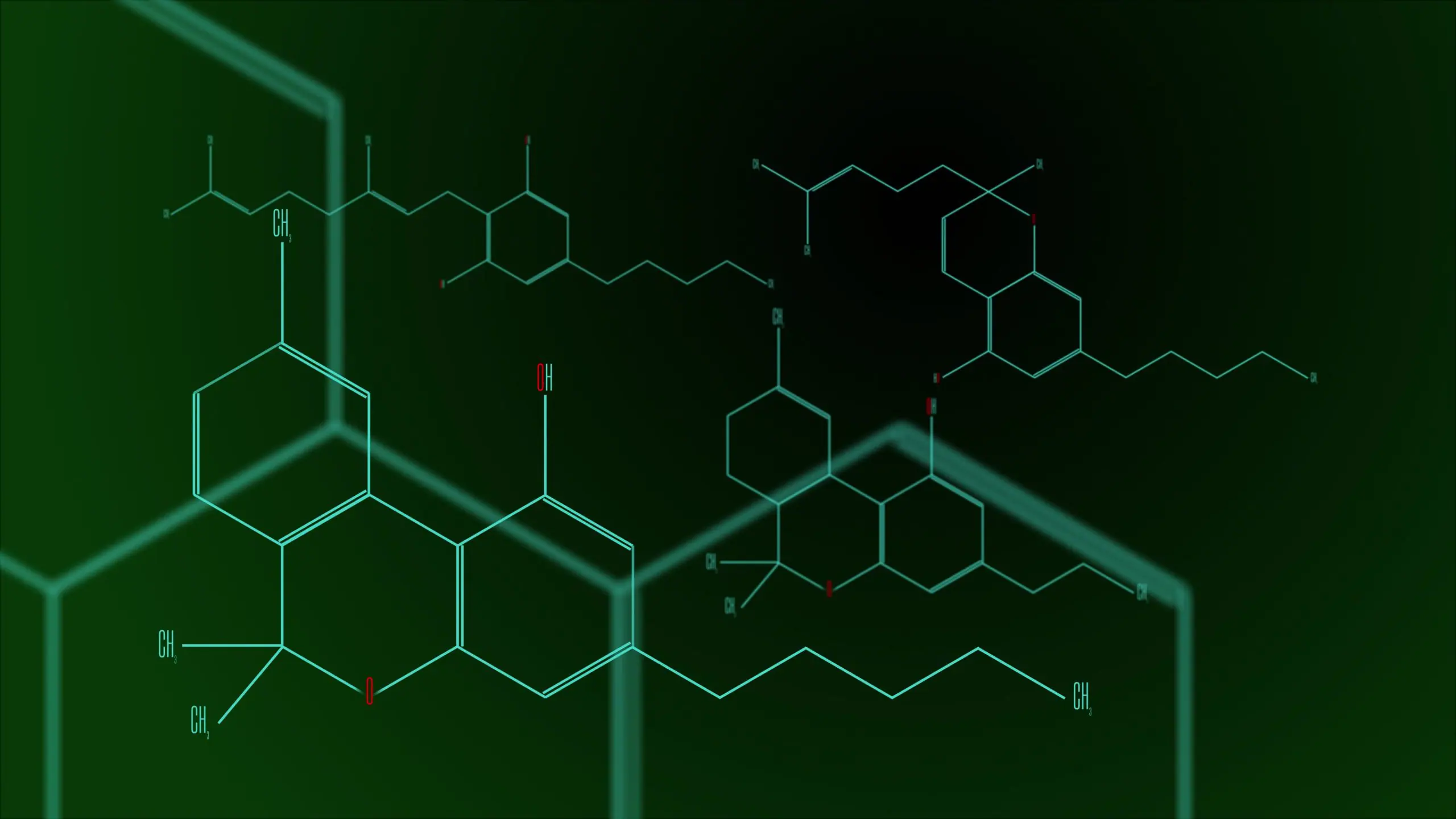
Cannabinoids are the compounds that drive your experience. There are over 80 cannabinoids in cannabis, but you’ll most likely run into these:
- THC (Tetrahydrocannabinol): This is the main psychoactive compound in cannabis responsible for the “high.” It can offer euphoria, relaxation, and increased appetite, and is often chosen for both recreational enjoyment and therapeutic relief.
- CBD (Cannabidiol): Non-intoxicating and known for its calming properties, CBD is a go-to for many looking to reduce stress, ease pain, or support overall wellness without the head high.
- Minor Cannabinoids: Compounds like CBG, CBN, and THCV are gaining attention for their unique effects. From promoting focus to supporting rest or appetite control, these lesser-known cannabinoids are small but mighty.
If you’re trying to figure out how potent a product is, start with checking out the cannabinoids.
Terpenes: The Scent and Sensation
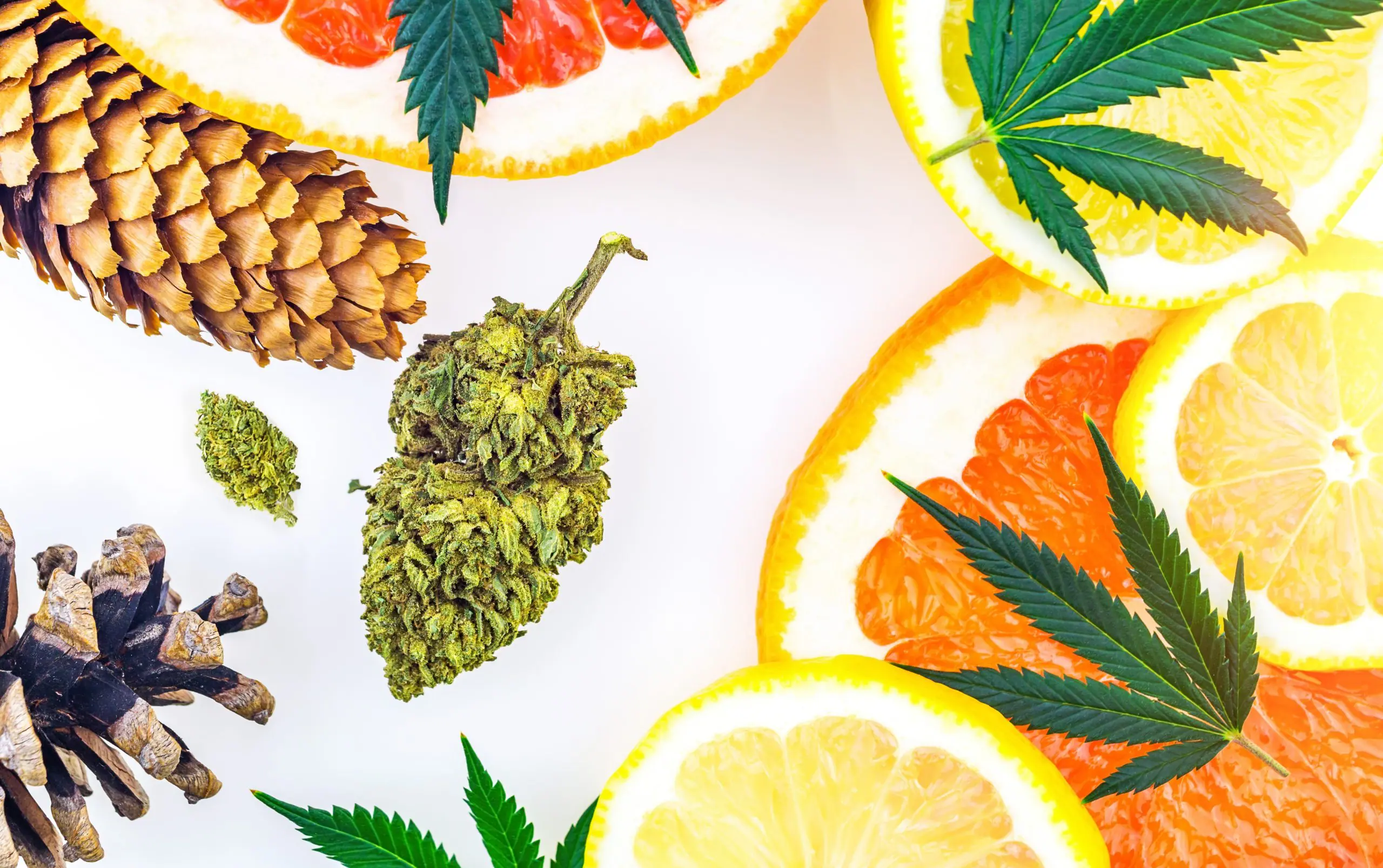
Terpenes are aromatic compounds that give cannabis its distinct scents and contribute to how each strain makes you feel. These natural molecules (also found in most plants) play a big role in your experience, from relaxation to invigoration.
Some of the most common cannabis terpenes include:
- Myrcene: Earthy and musky, associated with calm and sedation.
- Limonene: Bright, citrusy, and often uplifting.
- Linalool: Floral and soothing like lavender.
- Beta-Caryophyllene: Spicy and peppery, known for its anti-inflammatory potential.
When combined with cannabinoids like THC and CBD, terpenes contribute to what’s known as the entourage effect, a synergistic interaction that shapes the overall impact of a cannabis product.
It’s why two strains with the same THC percentage can feel completely different.
Product Types Explained
We have a lot of cannabis products to offer, so there’s plenty of options to find your perfect fit. Here’s a breakdown:
- Flower: The classic choice. These are the cured buds you can grind and smoke or enjoy in a dry herb vaporizer.
- Pre-Rolls: Flower that’s already rolled for you. Great for convenience, sharing, or trying something new without the prep.
- Vapes: Available as cartridges or disposable pens, vapes are discreet, fast-acting, and easy to use.
- Concentrates: Potent extracts like wax, shatter, or rosin. These are typically for more experienced consumers looking for strong effects and flavor.
- Edibles: Infused treats like gummies, chocolates, and beverages. They offer long-lasting effects and are perfect for a smoke-free experience.
- Tinctures: Great for consistent, controlled dosing. These formats are discreet, easy to take, and ideal for building wellness routines.
- Topicals: Creams, balms, and salves you apply directly to the skin. These provide localized relief with no intoxicating effects.
No matter what vibe you’re looking for, there’s something for you.
Strain Categories: Indica, Sativa, Hybrid
You’ve probably heard of sativa and indica strain. While that can be a helpful starting point, it’s just the tip of the iceberg. Sativas tend to be more uplifting and indica are more relaxing, but in modern cannabis, everything is a hybrid.
Chemotypes are the unique mix of cannabinoids and terpenes in each strain. These compounds work together to influence effects like mood, energy, or body sensation, and they can vary widely even within the same category.
That’s why we always encourage exploring beyond the label. Two sativas might feel completely different depending on their terpene profile. And the right hybrid could be your perfect fit for both focus and calm.
Pro Tip: Talk to your budtender about how you want to feel and what you want to do, and they’ll help guide you toward a strain with the right chemistry for your goals.
Common Dispensaries Phrases to Know
Navigating cannabis terminology doesn’t have to feel overwhelming. Here are a few key terms you might hear during your visit and what they actually mean.
Onset Time
This refers to how quickly you’ll feel the effects of a product. For example, vaping typically has a fast onset (minutes), while edibles may take 30-90 minutes.
Bioavailability
A fancy way of saying how much THC, CBD, or other cannabinoids your body actually absorbs. Some methods, like tinctures or inhalation, offer higher bioavailability than edibles.
Microdosing
Using small, controlled doses of cannabis to feel subtle effects without getting too high. A popular option for wellness, focus, or anxiety support.
Full-Spectrum vs. Isolate
Full-spectrum products include a wide range of cannabinoids and terpenes from the plant, which can work together for enhanced effects (a.k.a. the entourage effect). Isolates contain only one compound, like CBD or THC, without the others.
Dosing Guidance: Start Low, Go Slow
This golden rule helps you find the right dose without overdoing it. Everyone’s tolerance is different, so we always recommend starting small and giving it time.
If you’re not sure, always ask! Our budtenders are happy to help.
Knowledge Is Empowerment at Mayflower
Getting familiar with cannabis terms is a tool for making confident, informed choices about your wellness journey. The more you know, the better you can navigate product options, dosing, and experiences that fit your needs.
You don’t have to know everything to start asking questions. Stay curious. Stay open. And remember, we’re always here to guide you with clear answers and no judgment.
Curious about a term or product you saw? Come talk to our team at Mayflower. We love helping customers feel confident and informed.
The contents of this blog are intended for informational purposes only. Always seek the advice of a physician or other qualified healthcare provider with any questions you may have regarding a medical condition.