Home
News & Updates
Understanding Lab Results: Reading a COA Like a Pro

Understanding Lab Results: Reading a COA Like a Pro

March 25, 2026
|
By mpxnj1

When it comes to cannabis, understanding what’s in your product is one of the most empowering things you can do. Every item on our shelves comes with a Certificate of Analysis (COA), a detailed lab report that verifies safety, potency, and purity. But we get it: COAs can feel like reading a science textbook.

That’s why we’re here to break it down. Whether you’re a seasoned shopper or just starting your cannabis journey, learning how to read a lab report helps you make informed, confident choices. We’ll walk you through the key parts of a COA and what they mean.

Let’s decode the details together.

What You’ll Find on a COA

Product Identification

At the top of any COA, you’ll find the product’s basic identifiers: the name, batch or lot number, and the date it was tested. This ensures the lab results match exactly what’s in your hand and gives you a clear record of freshness and consistency.

Testing Lab Info

A trustworthy COA will always list the name of the lab that performed the testing, along with their license number and certification status. In Massachusetts, all labs must be licensed and ISO-accredited to ensure accurate, standardized results. This section confirms that a reputable, third-party facility has verified the product’s safety and potency.

Now that we’ve covered the overview, let’s get a little more specific.
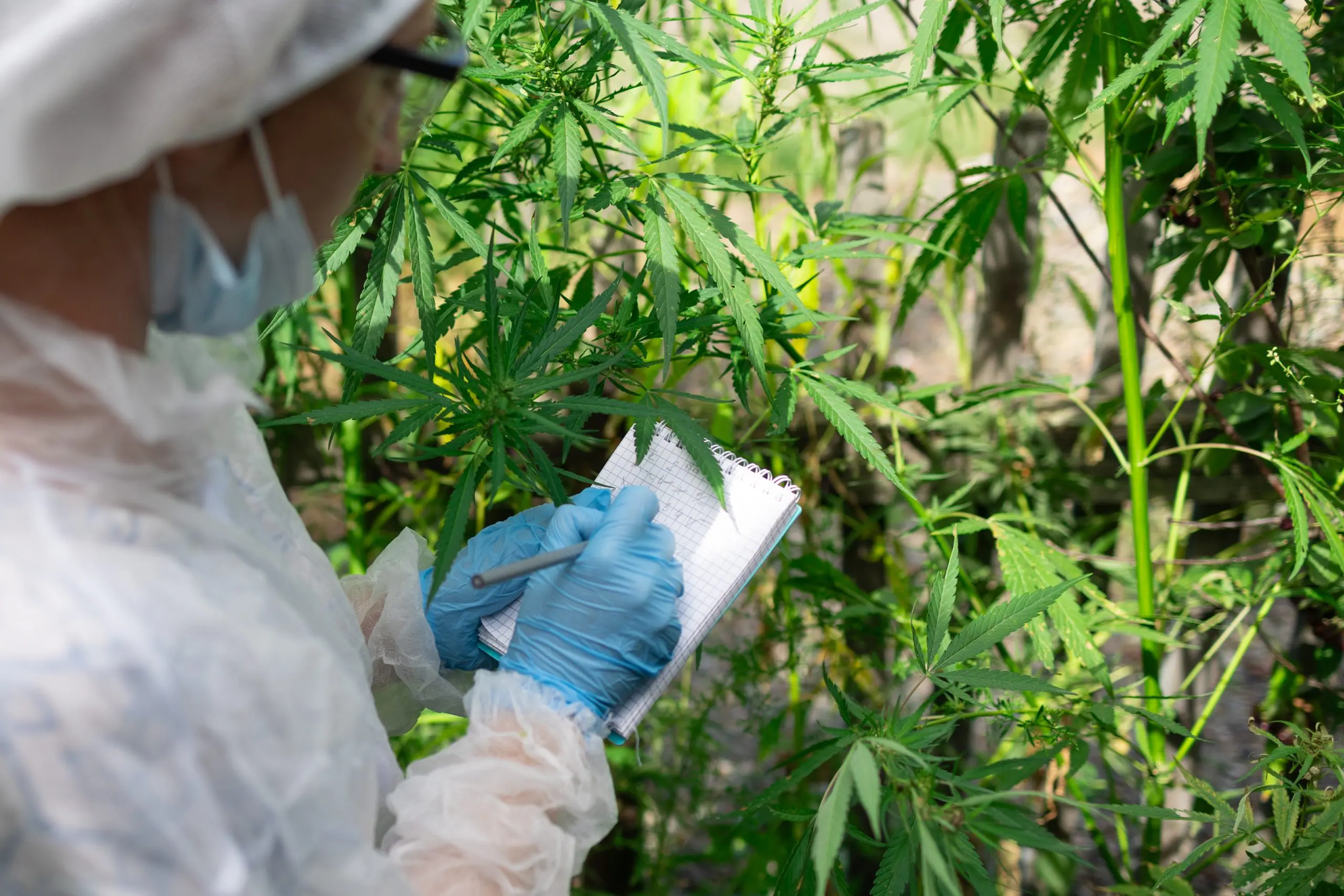
Cannabinoid Profile

The cannabinoid profile is one of the most important sections on a Certificate of Analysis (COA). It’s where you’ll find the breakdown of key compounds that influence how your product will feel.

  • THC (Δ9-THC and THCA): These are the main cannabinoids responsible for the euphoric, psychoactive effects cannabis is known for. THCA is the raw, non-psychoactive form found in fresh flower, which converts to THC when heated (via smoking or vaping).
  • CBD (CBD and CBDA): These cannabinoids offer non-intoxicating support. Many people turn to CBD for its calming, anti-inflammatory, or balancing properties. Like THCA, CBDA is the raw form that becomes active CBD when decarboxylated.
  • Other cannabinoids: Each minor player brings its own unique potential. CBG for focus, CBN for sleep support, and THCV for appetite regulation, for example.
  • Total THC vs. Total CBD: These are calculated figures that take into account how much of the raw acidic form will convert into active THC when heated.


At Mayflower, we look at all of these details before any product hits our shelves so you always know what you’re consuming, and how it might affect you.

Terpene Profile

Terpenes are the aromatic compounds that give each cannabis strain its signature scent, but they do more than just smell good. While a terpene profile isn’t always included on a COA, we believe it’s a valuable piece of the puzzle when it comes to choosing the right product.

Common terpenes and their effects:

  • Myrcene – Earthy, musky aroma; associated with relaxation.
  • Limonene – Citrus scent; linked to mood elevation and stress relief.
  • Linalool – Floral and lavender-like; known for calming properties.
  • Caryophyllene – Peppery or spicy; unique in how it interacts with cannabinoid receptors, often used for inflammation and pain relief.


Terpenes work synergistically with cannabinoids in what’s called the entourage effect, potentially enhancing or modifying the effects of THC, CBD, and other cannabinoids.

Contaminant Testing

Contaminant testing is one of the most important sections of the Certificate of Analysis (COA). This is where you’ll see if the product has been screened for harmful substances (and if they passed).

What’s tested:

  • Microbials – Mold, mildew, yeast, and bacteria that could pose health risks, especially for immunocompromised individuals.
  • Heavy Metals – Harmful elements like lead, arsenic, mercury, and cadmium, which can accumulate in plants from soil or water.
  • Residual Solvents – Leftover chemicals from extraction processes, such as butane or ethanol. Solvent-free is always the goal.
  • Pesticides – Chemical residues from pest control that can be harmful if inhaled or ingested.


Look for “Pass” or “ND” (None Detected) in the results column. Some COAs also include a threshold or limit. If the amount detected is below this, it’s considered safe. A failure in any of these categories means the product should never make it to shelves.

Red Flags to Watch Out For

Knowing how to read a COA also means knowing when something doesn’t add up. These red flags should give you pause before purchasing:

  • Missing Lab Information: Every COA should clearly state the testing lab’s name, license number, and certification status.
  • Incomplete or Outdated Test Results: Testing should cover cannabinoids, contaminants, and (ideally) terpenes.
  • No Test Results At All: If a dispensary or brand can’t provide lab results, that’s a huge red flag. In Massachusetts, test results are required by law.
  • “Fail” on Contaminant Testing: Any product that doesn’t meet safety thresholds for things like mold, heavy metals, or residual solvents should never be on shelves.


At Mayflower, we only carry products that have passed all required tests with flying colors, and we’re always happy to walk you through the COA.

FAQ: Understanding a Cannabis COA

Q: What is a COA and why is it important?

A: A Certificate of Analysis (COA) verifies that a cannabis product has been tested for potency and safety. It ensures you’re consuming a clean, accurately labeled product.

Q: Where can I find a product’s COA?

A: At Mayflower, test results are available online or directly on product packaging. Our team can also walk you through them in-store.

Q: What’s a “normal” THC percentage?

A: THC percentages vary. Flower often ranges from 15-30%. Edibles show milligrams per dose. Always focus on effects, not just numbers.

Q: Why aren’t terpenes listed on every COA?

A: Terpene testing is optional in some states. Premium brands (like those at Mayflower) often include this info to help guide your experience.

Q: What happens if a product fails contaminant testing?

A: It’s pulled from shelves and destroyed per state regulations. Mayflower never sells products that don’t meet rigorous safety standards.

Transparency Is Power

Understanding how to read a Certificate of Analysis (COA) empowers you to shop smart, stay safe, and choose products that genuinely fit your needs. Our team is always here to walk you through the details.

Stop by Mayflower in Boston, Lowell, or Worcester, and let us help you explore a world of top-quality, lab-tested cannabis you can feel great about.

The contents of this blog are intended for informational purposes only. Always seek the advice of a physician or other qualified healthcare provider with any questions you may have regarding a medical condition.

Copyright © 2026 Mayflower All rights reserved. United States
This product has not been analyzed or approved by the Food and Drug Administration (FDA). There is limited information on the side effects of using this product, and there may be associated health risks. Marijuana use during pregnancy and breast-feeding may pose potential harms. It is against the law to drive or operate machinery when under the influence of this product. KEEP THIS PRODUCT AWAY FROM CHILDREN. There may be health risks associated with consumption of this product. Marijuana can impair concentration, coordination, and judgment. The impairment effects of Edible Marijuana Products may be delayed by two hours or more. In case of accidental ingestion, contact poison control hotline 1-800-222-1222 or 911. This product may be illegal outside of MA.

Select a store

Boston Med

230 Harvard Ave, Boston, MA 02134

Open hours

Mon - Sun 10 AM - 9 PM

Boston Rec

230 Harvard Ave, Boston, MA 02134

Open hours

Mon - Sun 10 AM - 9 PM

Lowell

450 Chelmsford St Unit #7, Lowell, MA 01851, United States

Open hours

Mon-Sat: 11:00am – 9:00pm | Sun: 12:00pm – 7:00pm

Worcester

645 Park Ave, Worcester, MA 01603, United States

Open hours

Mon-Sat: 11:00am – 9:00pm Sun: 11:00pm – 7:00pm

Welcome to our website!

Please, verify your age to enter.
By entering this site you are agreeing to the Terms of Use and Privacy Policy.